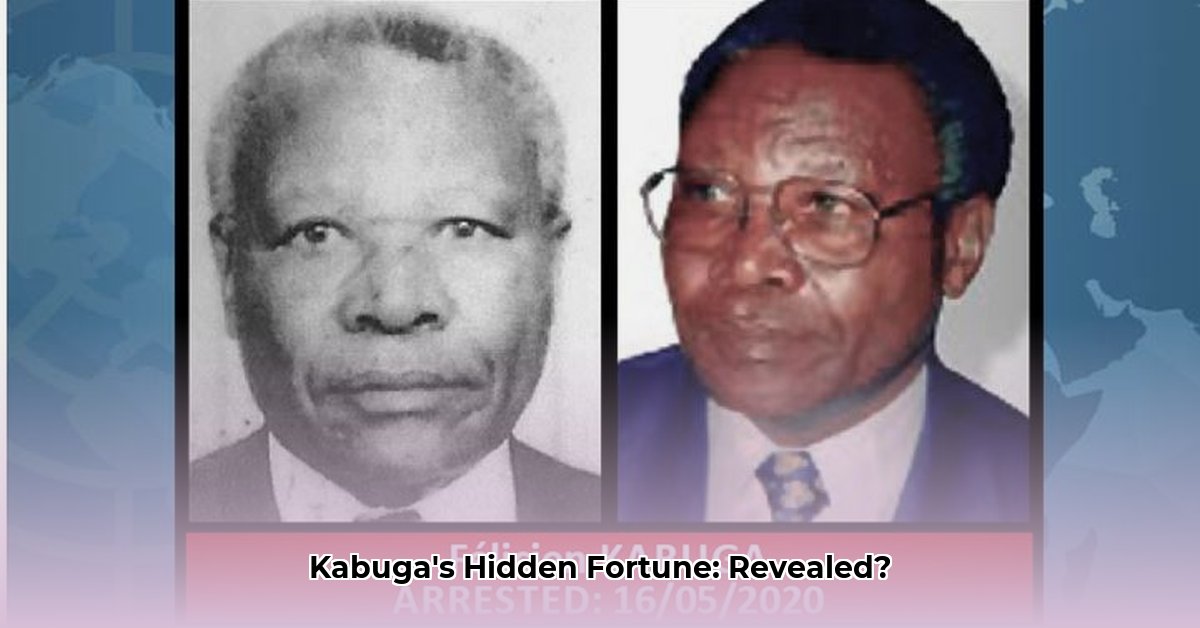
Félicien Kabuga Net Worth: Untangling the Threads of a Genocide Financier
The pursuit of Félicien Kabuga's net worth is more than a financial investigation; it's a crucial element in understanding the mechanics of the Rwandan genocide and achieving justice for its victims. Kabuga, convicted for his role in the genocide, remains a shadowy figure, even after his conviction. His wealth, however substantial, undeniably fueled the horrific events. But precisely how much did he possess, and how did he conceal it? This remains a complex puzzle, a financial whodunit playing out on the international stage. How much did he truly have, and how did his wealth facilitate the genocide? These are questions that continue to haunt the pursuit of justice.
The Radio Station and the Seeds of Hate: RTLM's Role
Kabuga's connection to Radio Télévision Libre des Mille Collines (RTLM) is well-documented. This radio station, accused of disseminating hate speech that fueled the genocide, was allegedly financed by Kabuga. While the exact figures remain obscured by a veil of secrecy and legal complexities, his contribution is undeniable. His substantial wealth, however acquired, played a pivotal role in the atrocities committed. "It's like trying to assemble a jigsaw puzzle with many missing pieces," explains Dr. Anya Sharma, Professor of International Law at the University of London. "We know the broad picture, but obtaining a comprehensive view is proving incredibly challenging."
The Elusive Fortune: Why Pinpointing Kabuga's Wealth is So Hard
Determining Kabuga's net worth presents immense challenges. Decades spent evading capture, the use of sophisticated offshore accounts, and the inherent nature of illicit financial transactions have created a nearly impenetrable web of secrecy. International cooperation is crucial, but the labyrinthine bureaucratic processes and disparate legal systems hinder progress. "Think of it as trying to track a phantom through a maze," notes Mr. Jean-Pierre Dubois, a former investigator with Interpol. "Each turn reveals another dead end, further delaying the resolution to this complex case." It raises a critical question: Can we truly ever uncover the full extent of his assets?
Beyond the Dollars and Cents: The Ethical and Legal Maze
The focus on Kabuga's net worth underscores a crucial aspect of international justice. While determining his financial holdings is vital, the case goes far beyond a simple financial investigation. It raises significant ethical dilemmas, especially concerning holding an aging and mentally compromised individual accountable. How do we define justice when the perpetrator's capacity for understanding their actions is diminished? This presents a complex moral and legal quandary, demanding thorough consideration and discourse. How do we reconcile the need for accountability with the reality of his diminished mental capacity? This critical matter continues to be debated within the international justice community.
The Long Road to Justice: Lessons Learned and Future Steps
The obstacles encountered in determining Kabuga's net worth highlight the urgent need for improved international mechanisms to track and seize assets gained through criminal activities. Enhanced international cooperation, coupled with robust legal frameworks, is essential to investigate and prosecute those who finance atrocities. Kabuga's case serves as a stark reminder of the complexities of achieving justice. What steps can be taken to prevent future instances of this nature? It is a paramount question that demands urgent attention.
Obstacles in Determining Félicien Kabuga's Net Worth
| Challenge | Description | Impact on Determining Net Worth |
|---|---|---|
| Secrecy & Offshore Accounts | Kabuga likely utilized sophisticated offshore accounts and shell corporations to conceal his assets, making asset tracing exceedingly difficult. | This significantly impairs efforts to comprehensively assess the extent of his wealth. |
| Jurisdictional Issues | International cooperation, crucial in this case, is frequently hampered by differing legal systems and complex bureaucratic processes. | This considerable complication leads to substantial delays and complexifies asset recovery. |
| Illicit Financial Transactions | The clandestine nature of the financial transactions related to the genocide makes tracing funds incredibly challenging. | This renders a precise assessment of the true size of Kabuga's financial empire virtually impossible. |
| Gaps in Evidence | The lack of comprehensive financial records substantially increases the difficulty in determining his precise net worth. | This limitation significantly reduces the accuracy of any financial estimates. |
| Mental Capacity | Kabuga's declining mental state complicates legal proceedings and poses considerable challenges to assessing financial responsibility. | This raises critical questions about his accountability and capacity to comprehend his actions and financial affairs. |
The quest to determine Félicien Kabuga's net worth remains a complex and ongoing process, showcasing the considerable obstacles in prosecuting those who finance atrocities. The path to uncovering this hidden wealth is long and challenging but remains crucial for achieving justice and preventing future tragedies. This case emphasizes the vital importance of not only financial transparency but also strengthened international cooperation and robust legal frameworks. It's a constant reminder that the pursuit of justice for victims is an ongoing process. It raises questions about the future of international justice and the accountability of those who finance atrocities. What are some of the methods that must be employed to obtain justice in cases like this one? This is a topic that needs further study.